



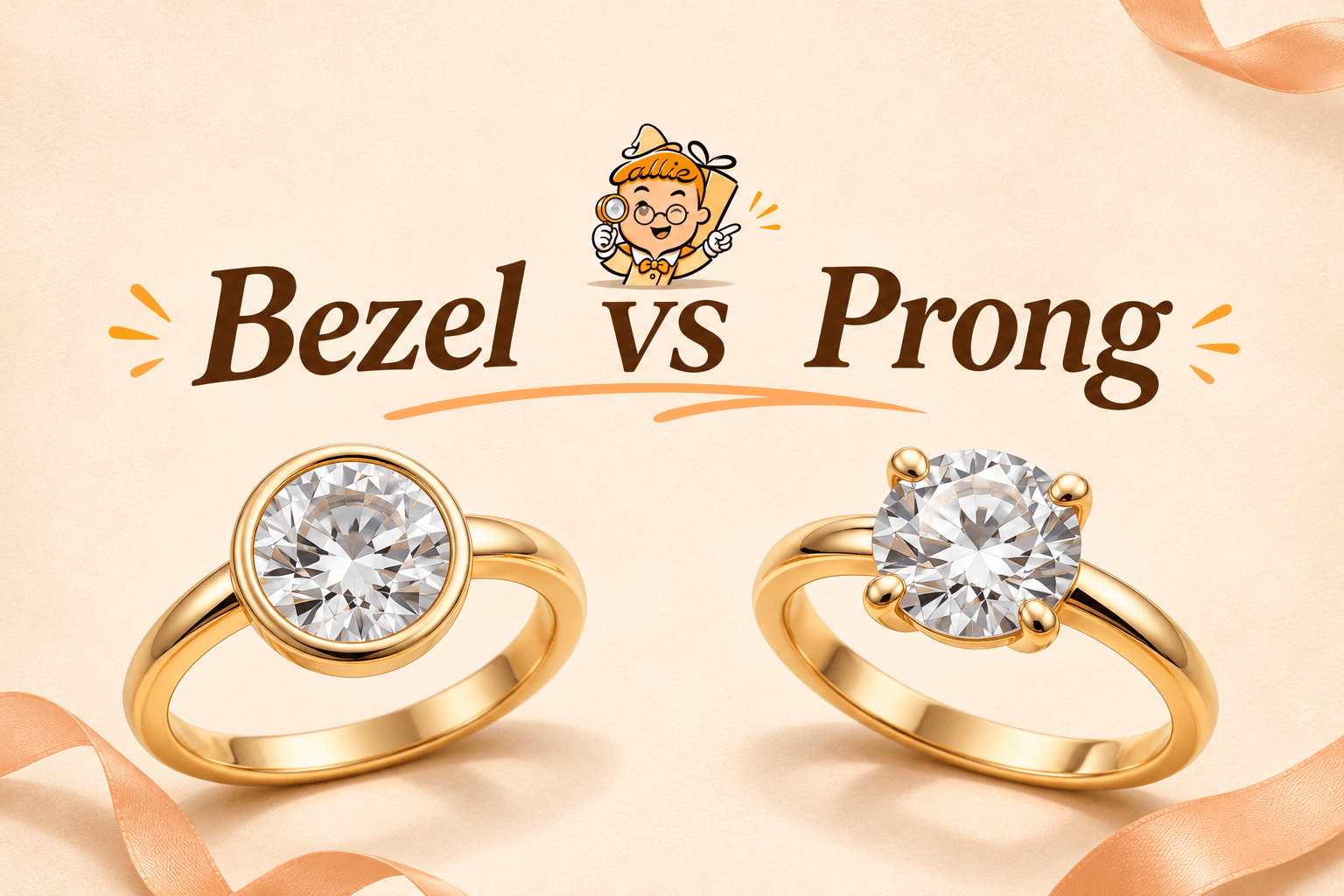
Bezel vs. Prong Setting Pros and Cons, How to Choose
You may love the open look of a prong-set ring and still wonder whether a bezel would be easier to live with. That is a useful question to ask before you commit, especially for a ring you expect to wear often.
Start with a full bezel if you prefer a smooth metal border and more coverage around the stone’s edge. Start with prongs if seeing more of the stone is your priority. Then compare the actual ring’s height, construction, care requirements, and fit. The setting name alone cannot settle those questions.
This guide weighs bezel vs. prong setting pros and cons, with a separate look at personalized birthstone gifts. The goal is to help you choose a design you will enjoy wearing and understand what to check before ordering.
Bezel vs. Prong Settings Quick Overview
| Consideration | Bezel Setting | Prong Setting |
| How it holds the stone | A metal rim surrounds all or part of the edge | Separate metal claws grip the stone |
| Main visual appeal | A defined metal frame | A more open view of the stone |
| Edge coverage | More coverage with a full bezel | More exposed edge between prongs |
| Snagging | A smooth rim can reduce catching | Protruding or worn prongs may catch |
| Upkeep | Check the rim, stone, and surrounding metal | Check prong wear, alignment, and stone security |
| Height and stacking | Check the individual design | Check the individual design |
| Cost | Compare the complete ring and service terms | Compare the complete ring and service terms |
What is a Bezel Setting?
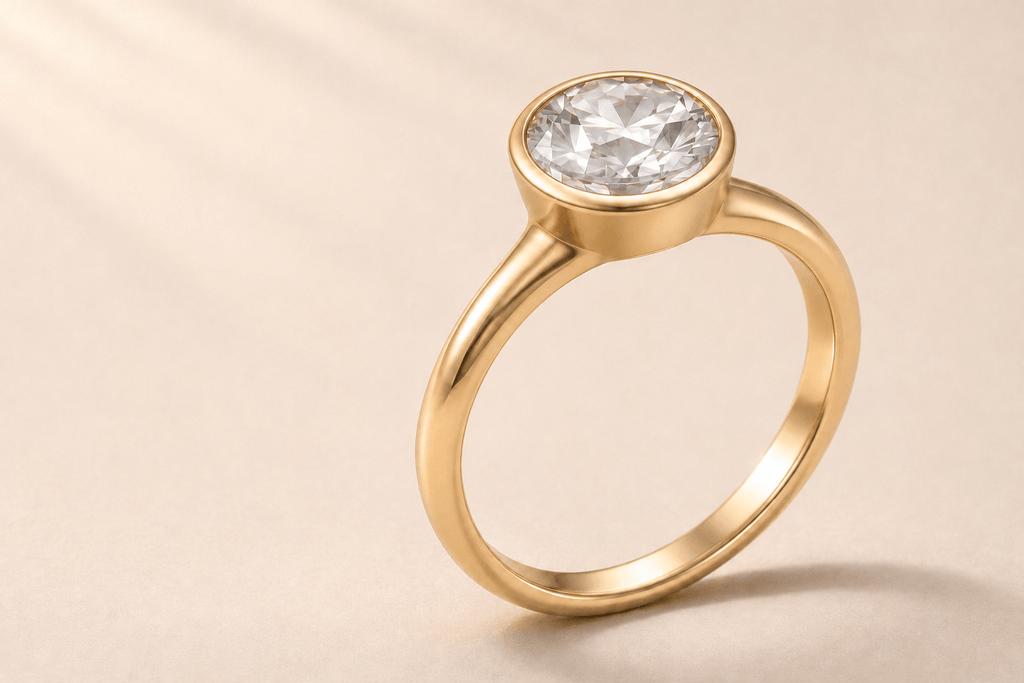
A bezel holds a gemstone with a metal rim folded over its edge. A full bezel goes around the entire perimeter; a partial bezel leaves sections exposed.
Pros of a Bezel Setting
- Offers greater coverage around the gemstone’s edges, helping protect vulnerable areas from everyday bumps.
- A smooth, well-finished rim is less likely to snag on clothing or hair.
- Creates a clean, defined outline that can complement contemporary and personalized jewelry.
- Can be a practical option for rings intended for frequent wear.
Cons of a Bezel Setting
- The metal rim hides part of the gemstone’s outer edge.
- Some designs provide less side visibility than open prong settings.
- Dirt and residue may collect around the rim, depending on the construction.
- Detailed bezel work may increase manufacturing or repair costs.
Best for: Someone who loves a smooth, framed design and wants added protection around the gemstone’s edges.
What is a Prong Setting?
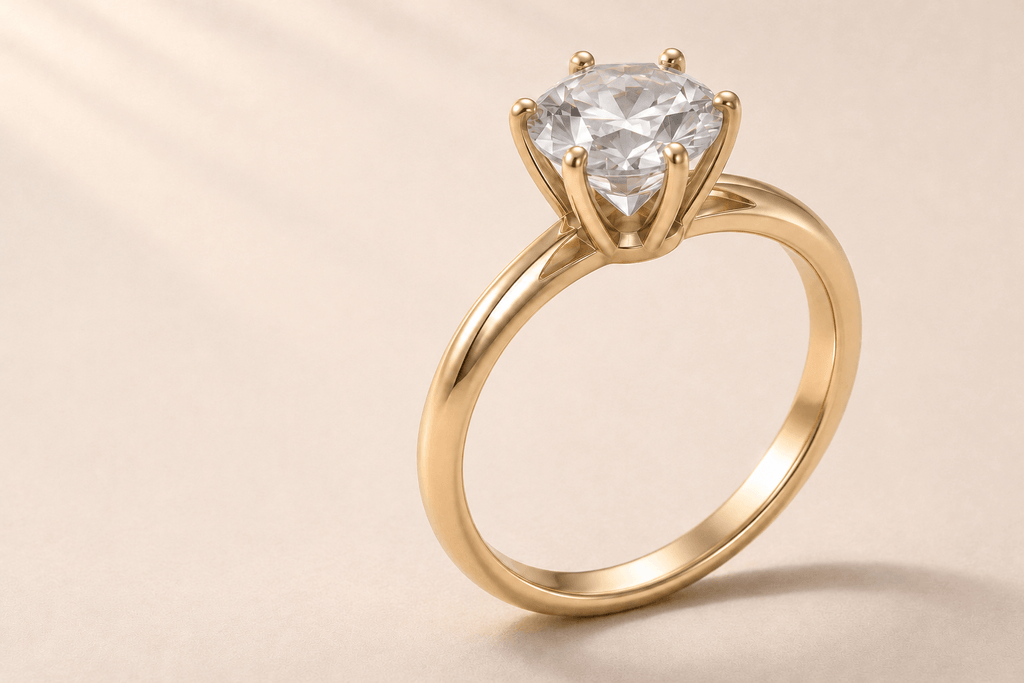
A prong setting uses separate metal supports that extend over the stone’s edge. You will commonly see four or six prongs, although the arrangement depends on the design.
Pros of a Prong Setting
- Shows more of the gemstone’s outline and sides.
- Creates a classic look popular in engagement and solitaire rings.
- Makes the gemstone a prominent part of the design.
- Open settings can make certain areas easier to access during cleaning.
- Simple prong designs may use less metal and cost less to produce.
Cons of a Prong Setting
- More of the gemstone’s edges remain exposed to impacts.
- Protruding or damaged prongs can catch on clothing, gloves, or hair.
- Prong tips may loosen or wear over time.
- The ring needs periodic inspections to ensure the stone remains secure.
Best for: Someone who wants a traditional, open setting that emphasizes the gemstone and is comfortable with routine maintenance.
5 Things to Consider When Choosing Bezel And Prongs
Protection and Security
If protecting the gemstone’s edges is your main concern, a well-made full bezel generally has an advantage.
Its surrounding metal rim helps shield the gemstone’s perimeter from accidental contact. This can be especially useful for stones with vulnerable points or corners.
Prong settings can also hold gemstones securely, but their open structure leaves more of the edges exposed. The number and placement of prongs can make a difference.
According to the Gemological Institute of America (GIA), four prongs can provide adequate protection for a diamond, while six prongs offer additional support if one becomes damaged.
Stone shape is another important consideration. Pear-shaped, marquise, and princess-cut gemstones have points or corners that require careful protection. Full bezels, appropriately designed partial bezels, and V-shaped prongs can help protect these vulnerable areas.
2. Comfort and Everyday Wear
A ring should feel comfortable throughout your daily routine, especially if you plan to wear it frequently.
Bezel settings often have smooth outer edges that are less likely to catch on sweaters, gloves, or hair. This makes them appealing to people who prefer jewelry with fewer protruding details.
Prong settings can also be comfortable when the prongs are properly finished and the stone sits relatively close to the finger. However, raised or worn prongs may snag on fabric.
The height of the setting matters, too.
Not every bezel sits low, and not every prong setting sits high. Some bezel designs elevate the gemstone, while certain prong settings use compact baskets for a lower profile.
Before choosing a ring, compare the side views and check how far the setting extends above your finger.
If you plan to stack your ring with a wedding band or another personalized ring, consider whether the two designs sit comfortably together. Some settings leave a gap or require a curved companion band.
Which is better?
A smooth, low-profile bezel is often a practical choice if snagging is a concern. If you prefer prongs, look for a lower-profile design with well-finished tips.
If you wear protective gloves at work, always follow workplace jewelry and safety requirements.
3. Sparkle and Gemstone Appearance
One of the most common questions about bezel vs. prong settings is whether one makes a gemstone sparkle more.
Prong settings leave more of the gemstone exposed, creating an open appearance that often makes the stone feel more prominent. This is one reason they remain popular for engagement rings.
Bezel settings create a different visual effect. The metal rim frames the gemstone, giving it a defined outline that can feel bold, polished, or minimalist.
But does that mean prongs always make a diamond brighter?
Not necessarily.
A diamond’s sparkle depends heavily on its cut quality and how it interacts with light. GIA explains that a diamond’s cut plays a central role in its brilliance, fire, and scintillation. The number of prongs or the amount of metal surrounding the stone does not, by itself, determine how sparkly the finished ring will appear.
The setting can also affect perceived size.
Prongs reveal more of the gemstone’s outer shape, while a bezel adds a surrounding metal outline. Depending on the metal color and proportions, a bezel can make the overall ring face appear more substantial even though part of the gemstone’s edge is covered.
Which is better?
Choose prongs if you want to highlight the gemstone itself and enjoy an open, classic appearance. Choose a bezel if you prefer a framed look with a strong, defined outline.
For a fair comparison, view similarly sized stones under the same lighting conditions.
4. Cleaning and Maintenance
Both bezel and prong settings require care, but the details you need to monitor are different.
With prong settings, the main concerns are wear, alignment, and stone security.
Over time, prongs can become bent, worn, or loose. A damaged tip may catch on fabric or stop holding the gemstone as securely as it should.
Professional inspections are important. Jewelers of America recommends checking prong settings for wear and damage at least once a year.
If you notice a loose stone, a bent prong, or sudden snagging, stop wearing the ring and have it inspected before using it again.
Bezel settings do not have the same individual prong tips around the center stone. However, the metal rim can still wear or become damaged, and the gemstone must remain securely fitted.
Cleaning access may also differ.
An open prong setting often provides easier access around the gemstone. Some bezel designs have tighter spaces where soap residue, oils, or dirt can collect.
Before cleaning either style, check the recommended care instructions for the specific gemstone and metal.
This is especially important for birthstone jewelry. Different gemstones have different levels of hardness, toughness, and sensitivity to heat or cleaning chemicals. Ultrasonic and steam cleaners are not appropriate for every stone.
Which is easier to maintain?
A bezel avoids the need to monitor individual center-stone prongs, while an open prong setting may be easier to clean around. Neither is maintenance-free.
5. Cost and Resizing
The cost of a bezel or prong setting depends on more than the setting name.
Simple prong settings often use less metal and may require less fabrication work, making them more affordable in some cases.
Full bezels require carefully fitted metalwork around the gemstone. Depending on the design, material, and craftsmanship involved, they may cost more.
However, a detailed prong setting with additional stones can be more expensive than a simple bezel ring. The gemstone, metal, ring size, and overall construction all affect the final price.
Resizing is another consideration, particularly when buying a personalized ring.
Many rings with either setting can be resized, but not every design allows it. Engraving, multiple gemstones, decorative details, or stones extending around the band can complicate the process.
If you’re ordering a custom birthstone ring, confirm the sizing and resizing policies before completing your purchase.
Which is better?
Consider the complete ring rather than assuming one setting style is always cheaper. For personalized jewelry, check the available sizes, customization details, and after-sales service before ordering.
Which Setting Is Right for You?
The best setting depends on what matters most to you.
Choose a bezel setting if you:
- Prefer a modern, streamlined, or framed appearance.
- Want more coverage around the gemstone’s edges.
- Often wear sweaters or other clothing that can catch on raised details.
- Like rings with smooth, well-finished outlines.
- Want a practical design for frequent wear.
Choose a prong setting if you:
- Love the classic appearance of a traditional solitaire ring.
- Want more of the gemstone’s surface and sides to remain visible.
- Prefer an open, delicate-looking design.
- Enjoy showcasing the stone’s shape.
- Are comfortable arranging periodic inspections.
Consider a partial bezel if you:
- Like the appearance of both setting styles.
- Want some edge coverage without a continuous metal frame.
- Prefer a distinctive design that combines open sections with metal detailing.
A partial bezel is not automatically as protective as a full bezel. Its suitability depends on which portions of the gemstone remain exposed.
If both designs meet your practical needs, personal style can be the deciding factor.
Callie Recommendation
Personalized rings and necklaces for meaningful days and your daily life .
 A milestone to remember
$32.00
View Product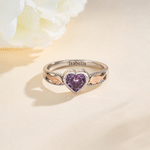 Angel’s embrace
$49.00
View Product A promise of love
$30.00
View Product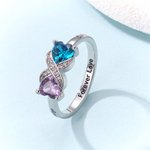 Forever connected
$26.00
View ProductFinal Thoughts
When deciding between a bezel and prong setting, it ultimately comes down to your personal style, lifestyle, and what matters most to you in a ring.
Bezel settings offer a sleek, modern look with added protection around the gemstone, making them a great option for everyday wear. Prong settings, on the other hand, allow more of the gemstone to be seen, highlighting its natural beauty and brilliance.
Before making your choice, consider factors like comfort, durability, maintenance, and the type of gemstone you prefer.
At the end of the day, the best ring setting is the one that fits your lifestyle, reflects your personal style, and makes you feel confident every time you wear it.
Frequently Asked Questions
Is a bezel setting more secure than a prong setting?
A well-made full bezel generally offers more coverage around a gemstone’s edges, helping protect vulnerable areas from everyday bumps. Prong settings can also hold stones securely, especially when the prongs are properly designed and maintained. The best choice depends on the gemstone, setting construction, and how you plan to wear the ring.
What are the disadvantages of a bezel setting?
The rim hides more of the stone’s edge and becomes a noticeable part of its appearance. You also need to check cleaning access and ask about the cost of future work. If you want an open side view or dislike a visible metal frame, those trade-offs may outweigh its appeal.
What is the strongest setting for an engagement ring?
There is no setting name that establishes the strength of every finished ring. A protective layout must still suit the stone and be properly made. Ask the jeweler to explain the vulnerable areas, how the design protects them, and what maintenance the specific ring requires.
Can a bezel-set ring be resized?
Yes, many bezel-set rings can be resized, but it depends on the overall design. Rings with intricate details, multiple gemstones, or engraving may be more difficult to adjust. Before ordering, check the product’s resizing policy or ask a jeweler whether your specific ring can be resized safely.